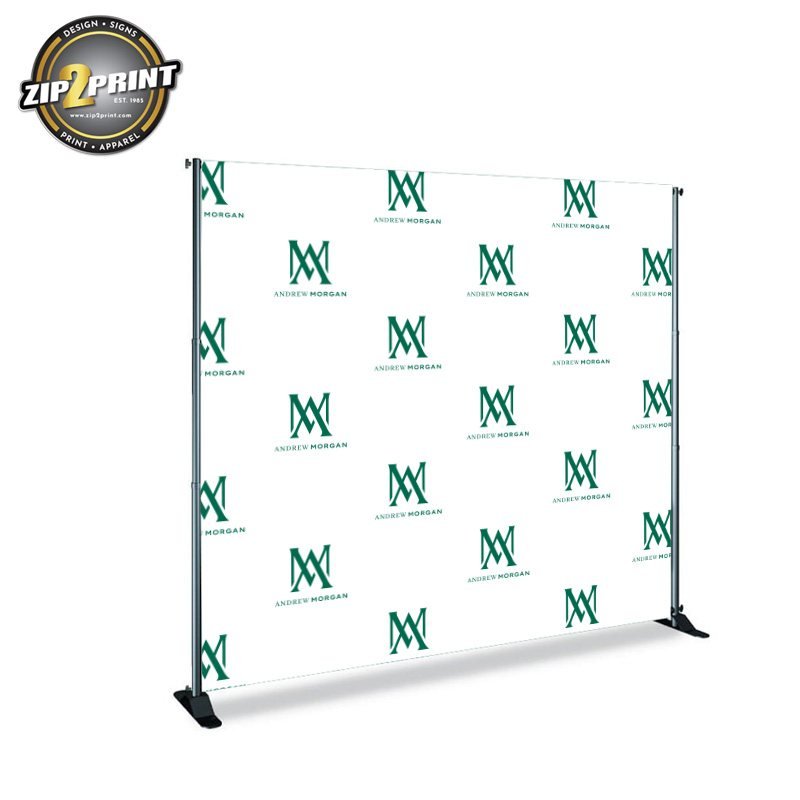
Step-and-repeat backdrop — built for photography, so the mark repeats at a spacing that survives being cropped by whoever stands in front of it.
Capability · Across clients
Brand work that has to survive being manufactured — booth and event graphics, large-format signage, apparel and branded merchandise. Designed, specified, and seen through production.
The discipline
Designing for a physical environment is a different problem from designing for a screen. A booth graphic is read at eight feet and again at eighteen inches. A banner is viewed outdoors, at an angle, in weather. An embroidered cap has perhaps twelve thousand stitches in which to say the whole brand. None of those constraints show up in a design file.
So the work below is organised by what it had to withstand rather than by client. What it has in common is that I designed it, specified it, briefed the vendor, and checked it before it shipped.
A file that cannot be produced is not a design. It is a proposal.
Step-and-repeat backdrop — built for photography, so the mark repeats at a spacing that survives being cropped by whoever stands in front of it.
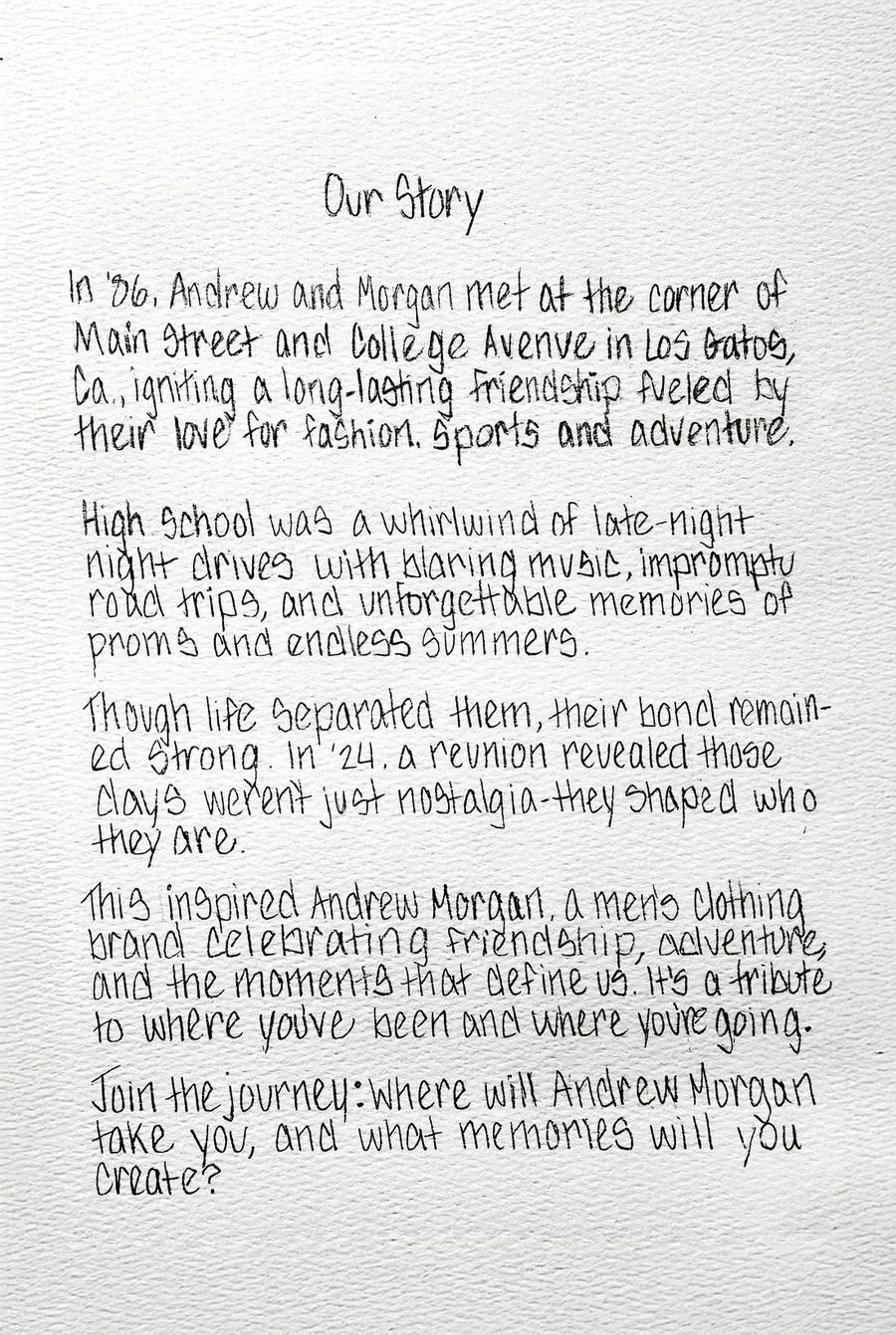
Brand story board — read at standing distance, in-store and at events.
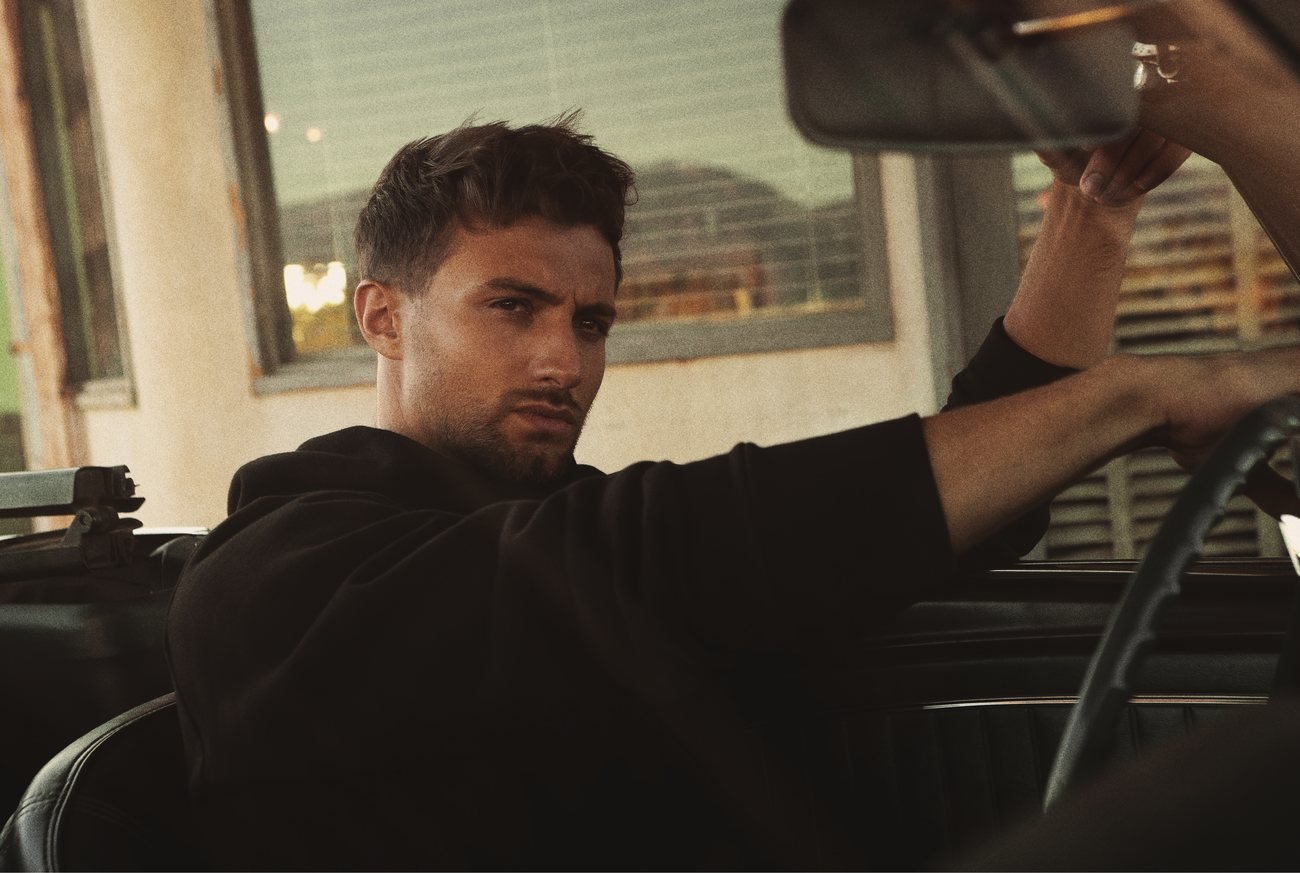
Lifestyle board from the same display series.
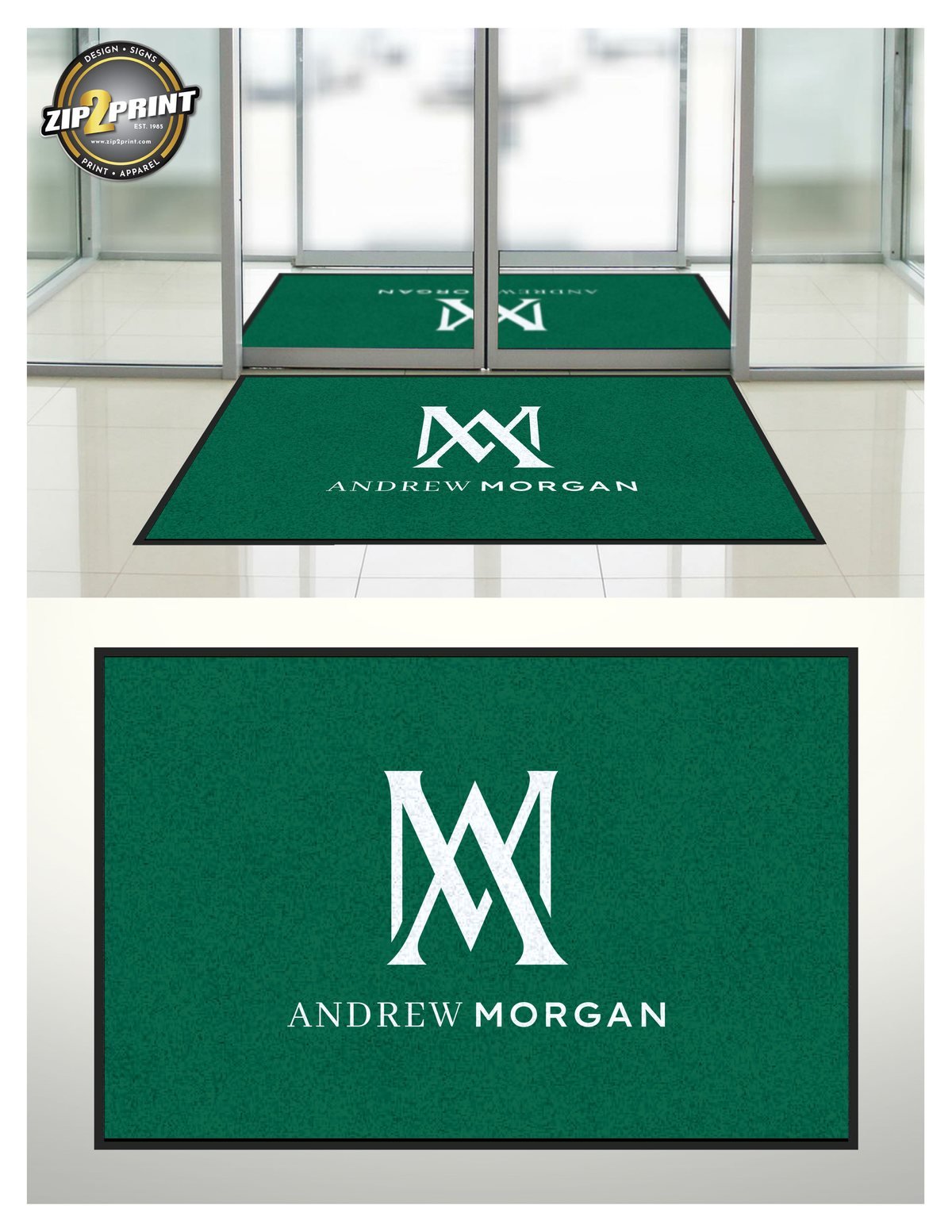
Floor graphics at the entrance — a surface most brands forget they own.
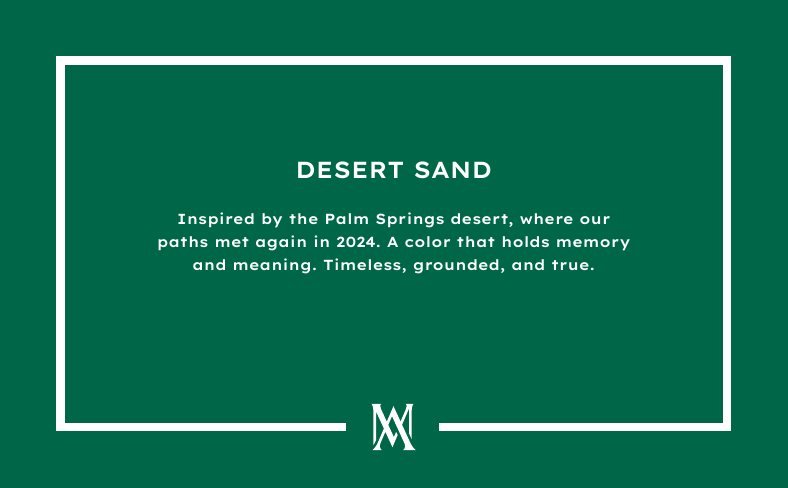
Printed colour cards — small handled pieces carry a brand as hard as large ones.
Signage & large format
Signage has to work twice: legible from across a street or a hall, and still correct when someone is standing at it. That governs type size, contrast, and how much you are allowed to say.
The Andrew Morgan product signs borrow the grammar of highway guide signage — a deliberate joke about a label built on a street corner, and a format that is unusually legible at distance because it was engineered to be.
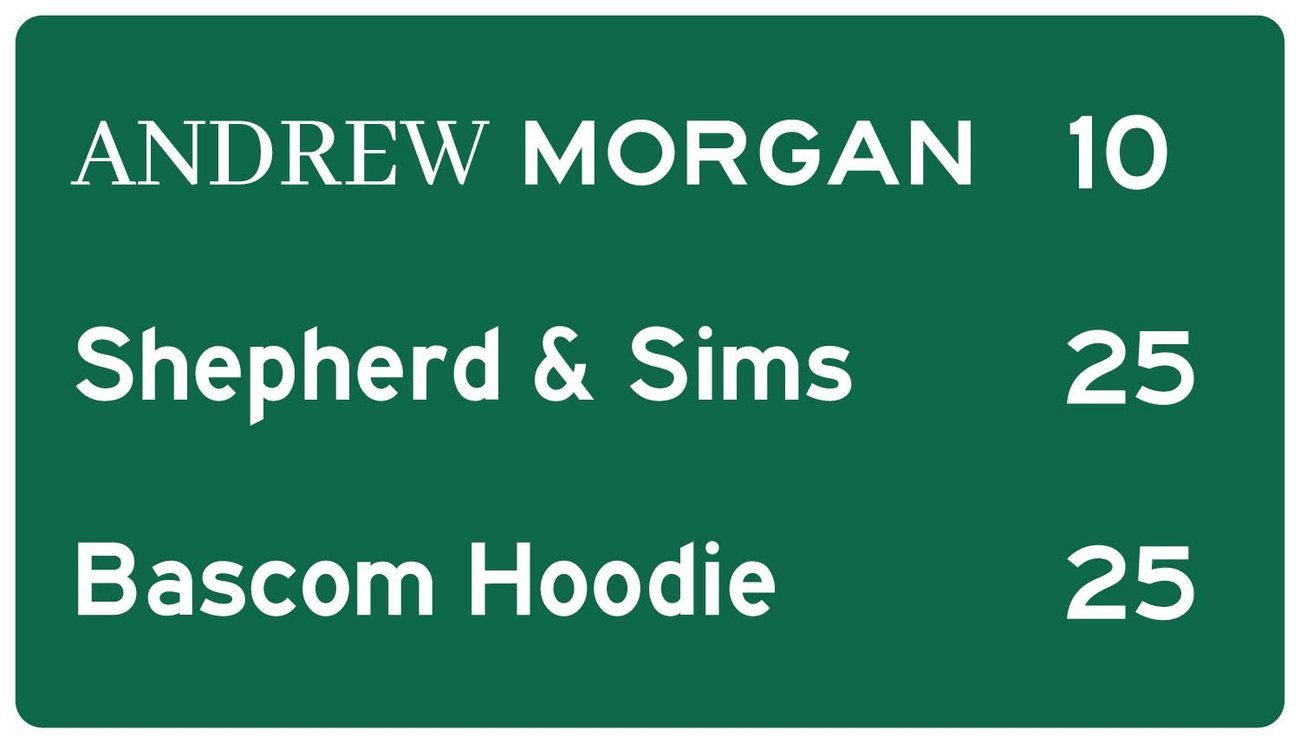
48 × 84 in highway-format panel — product names styled as exits.
24 × 30 in sign, monogram reversed out of the brand green.
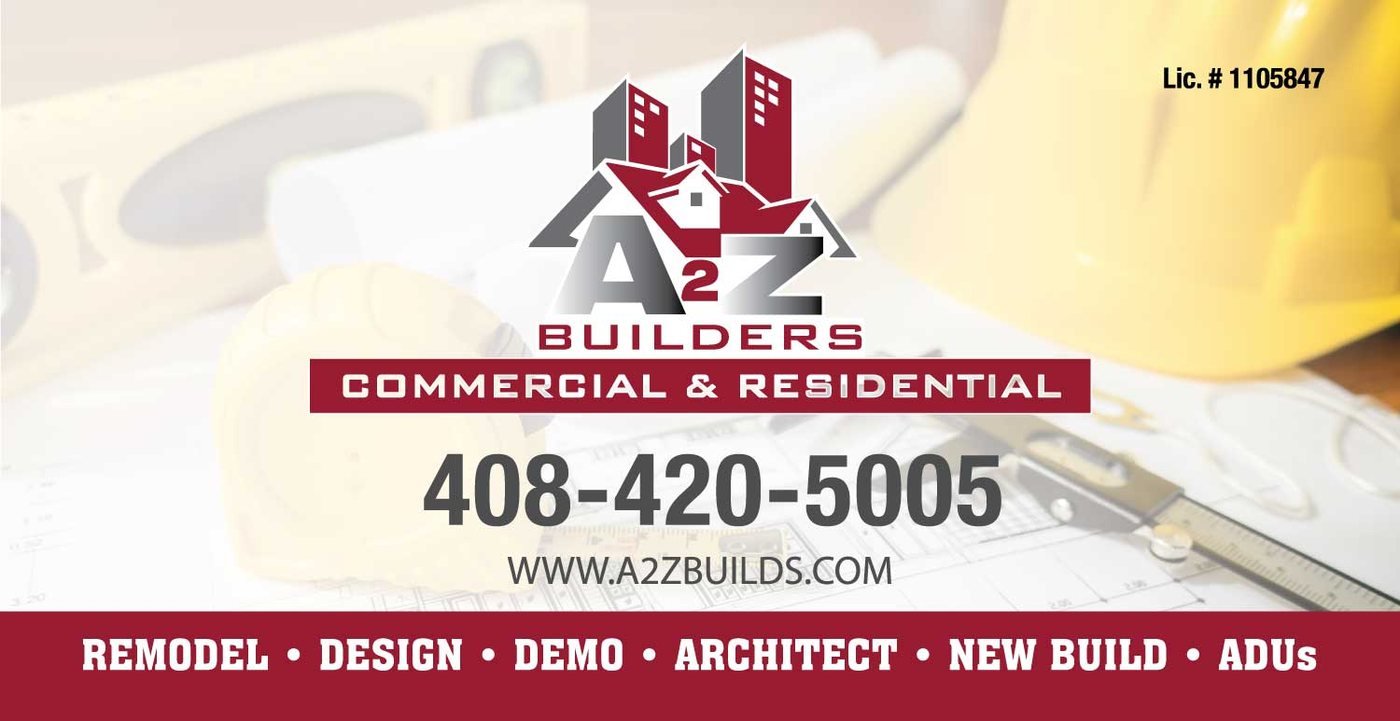
4 × 8 ft job-site banner — outdoors, read at fifty feet.
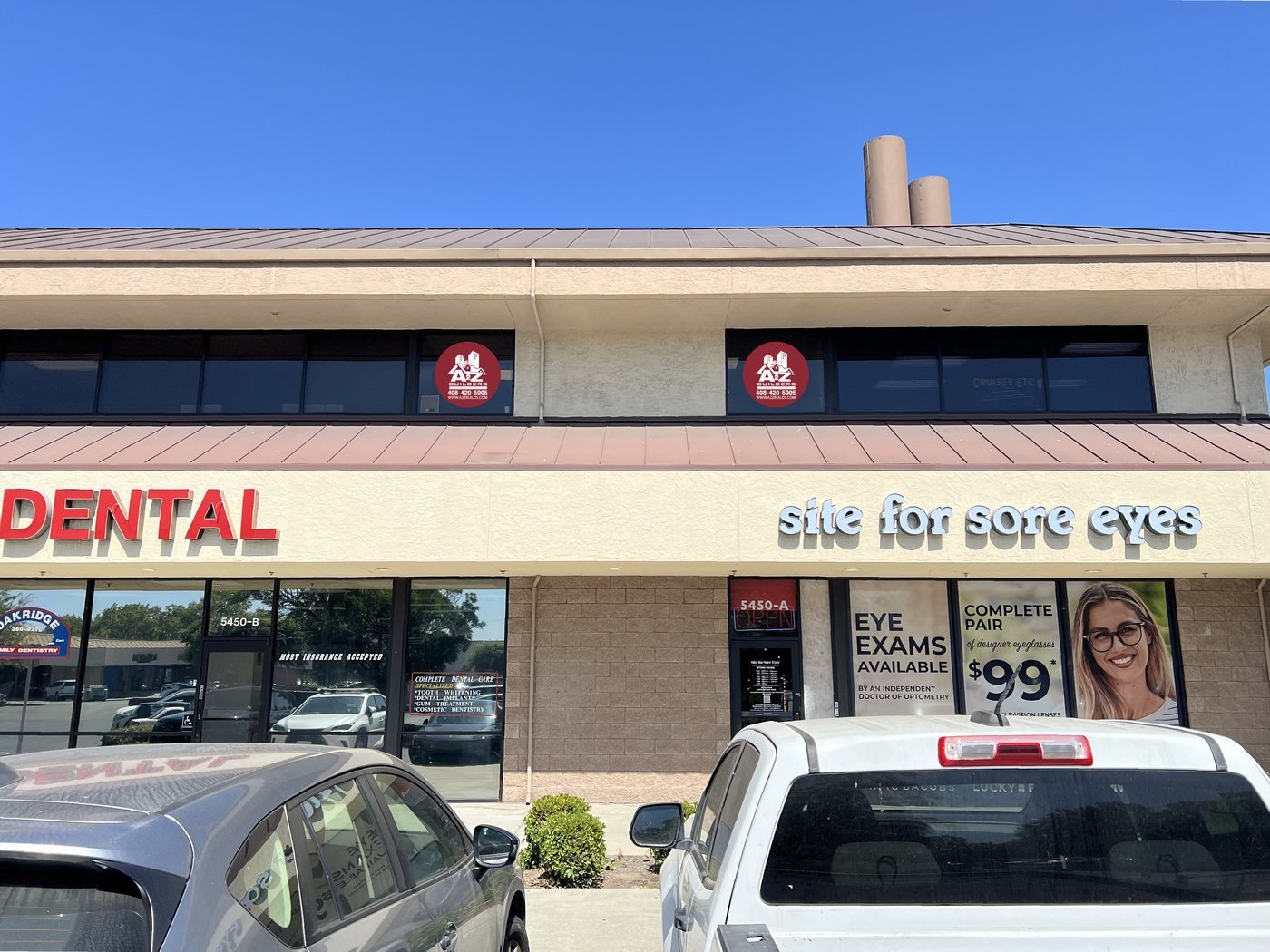
Storefront window decal — same identity on glass at arm’s length.
Merchandise & apparel
Merchandise is where an identity meets manufacturing constraints it never asked for: stitch counts, thread matching, substrate, curved surfaces, and the fact that a garment moves.
Carrying one construction identity across embroidered hoodies, polos and caps, vehicle magnets and window decals for four years meant building a mark that degrades gracefully — one that still reads small, single-colour, or sewn rather than printed.
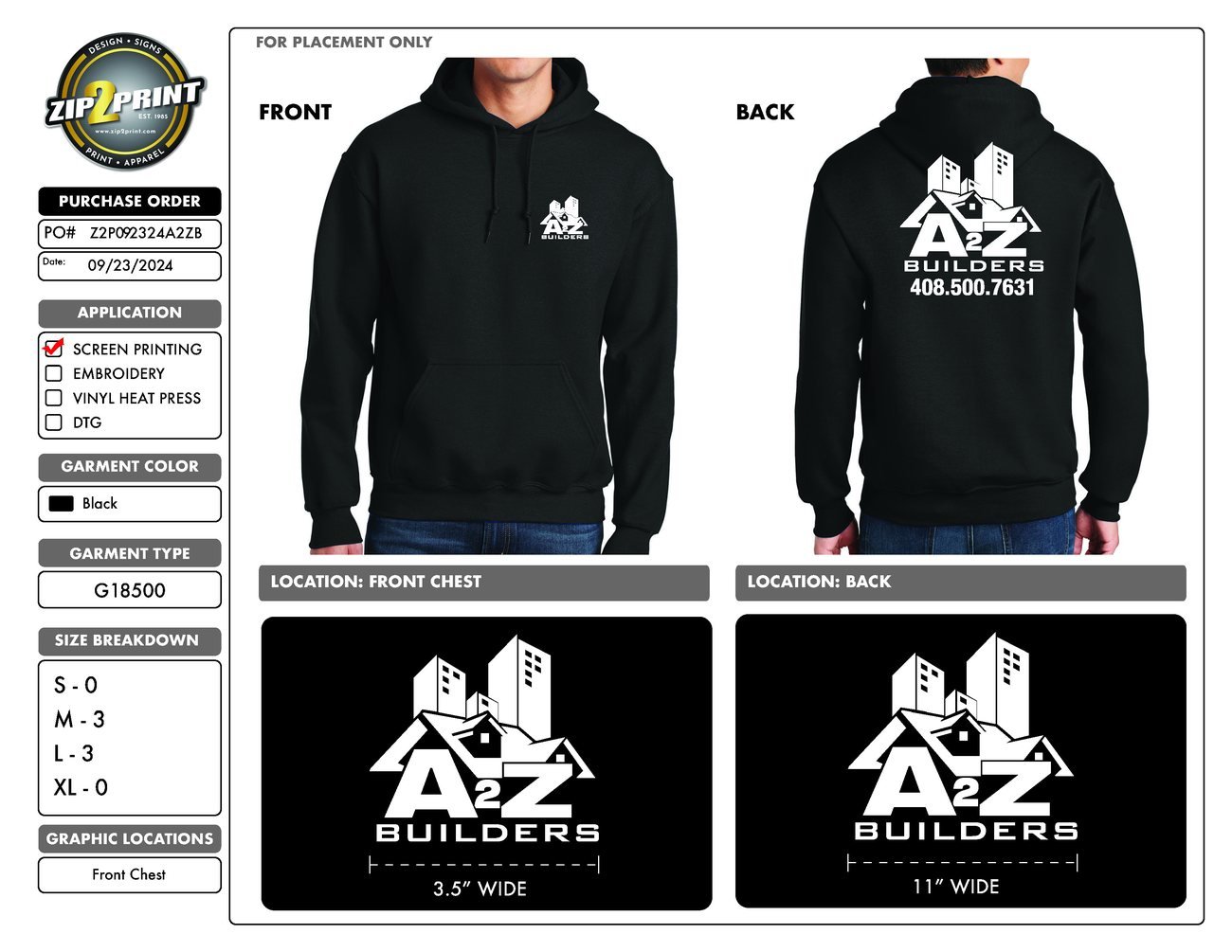
Embroidered crew hoodie.
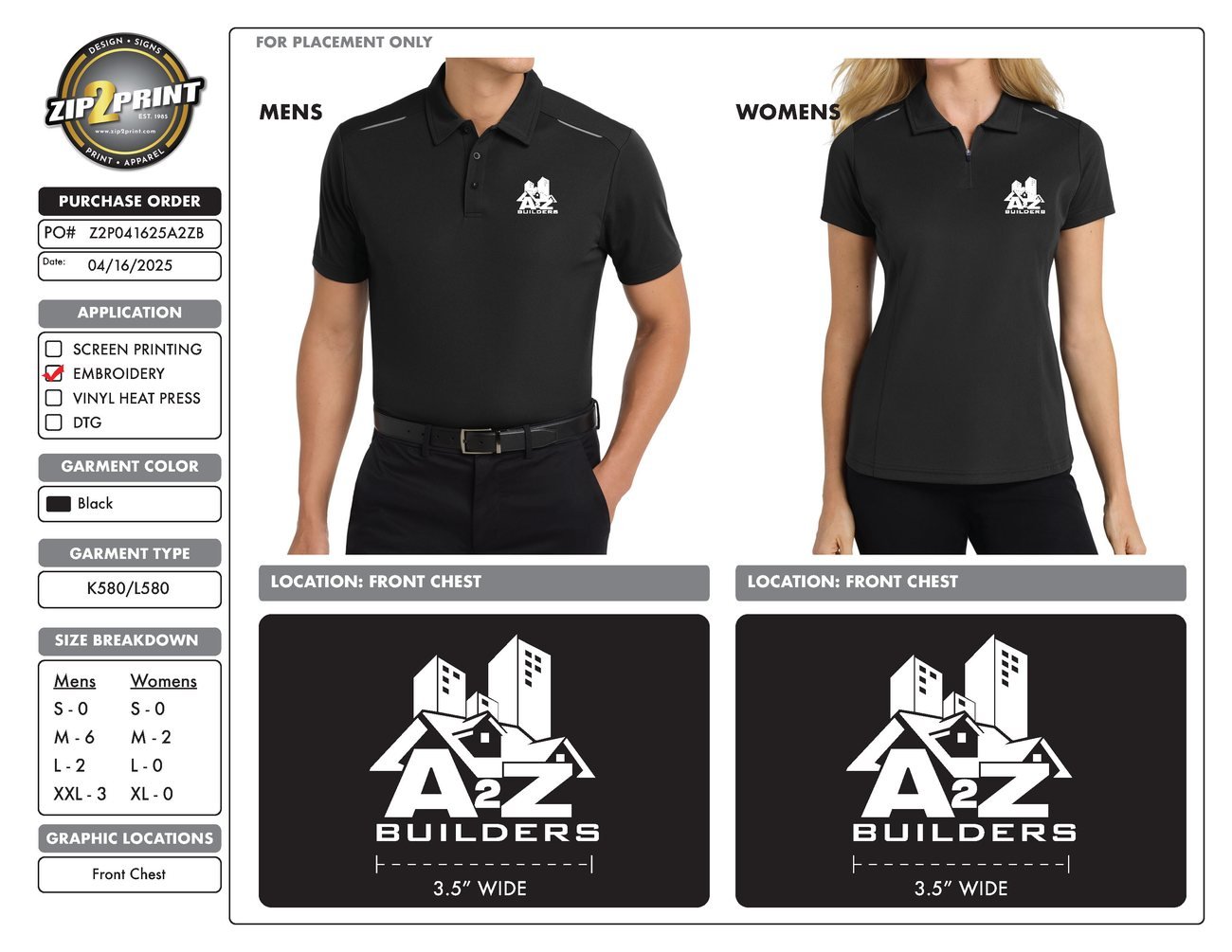
Polo — single-colour embroidery.
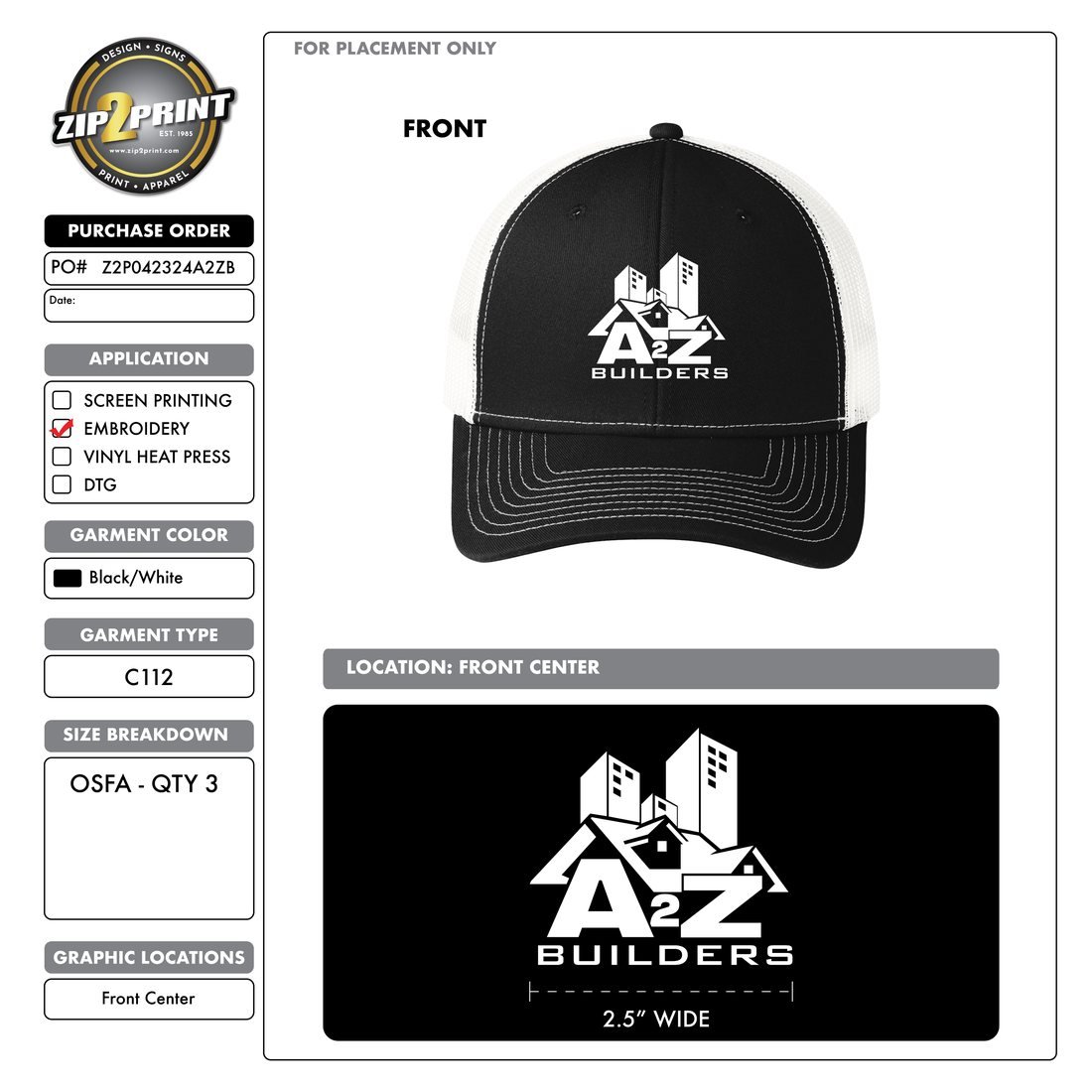
Cap — the mark at its smallest.
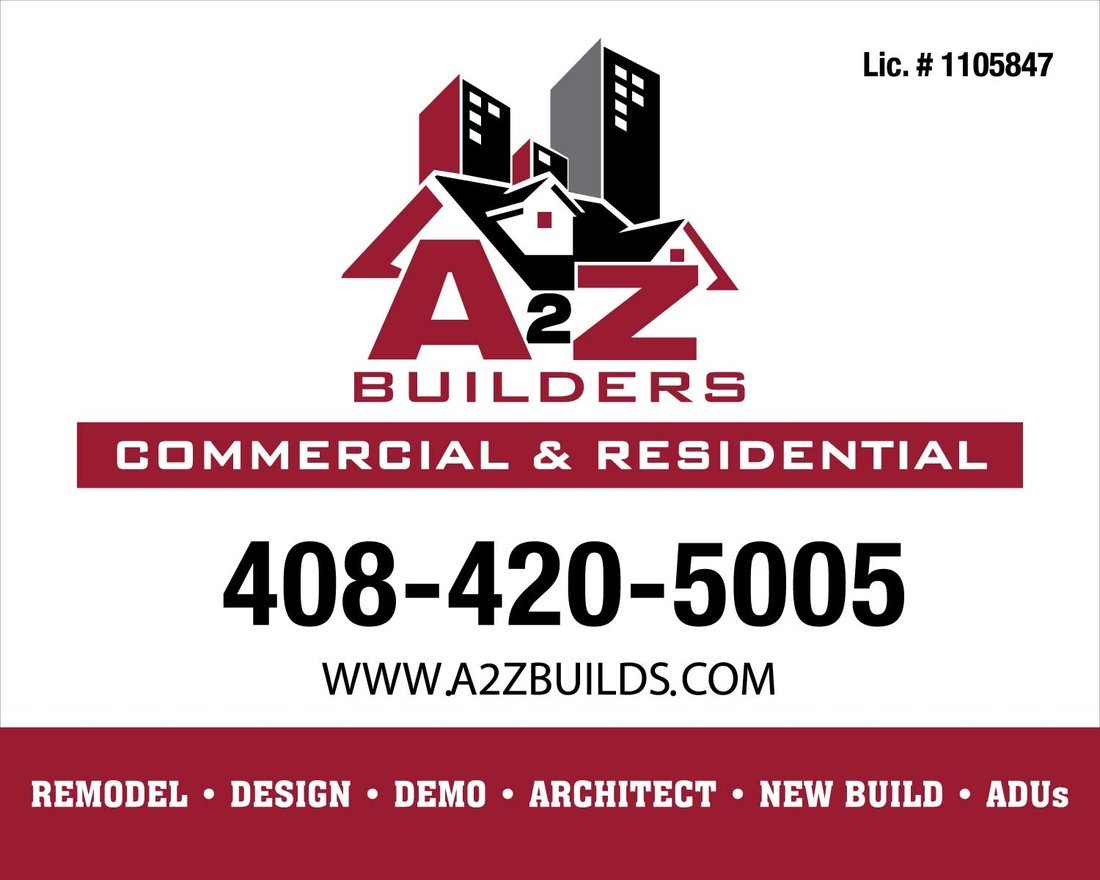
30 × 24 in vehicle magnet for a working fleet.
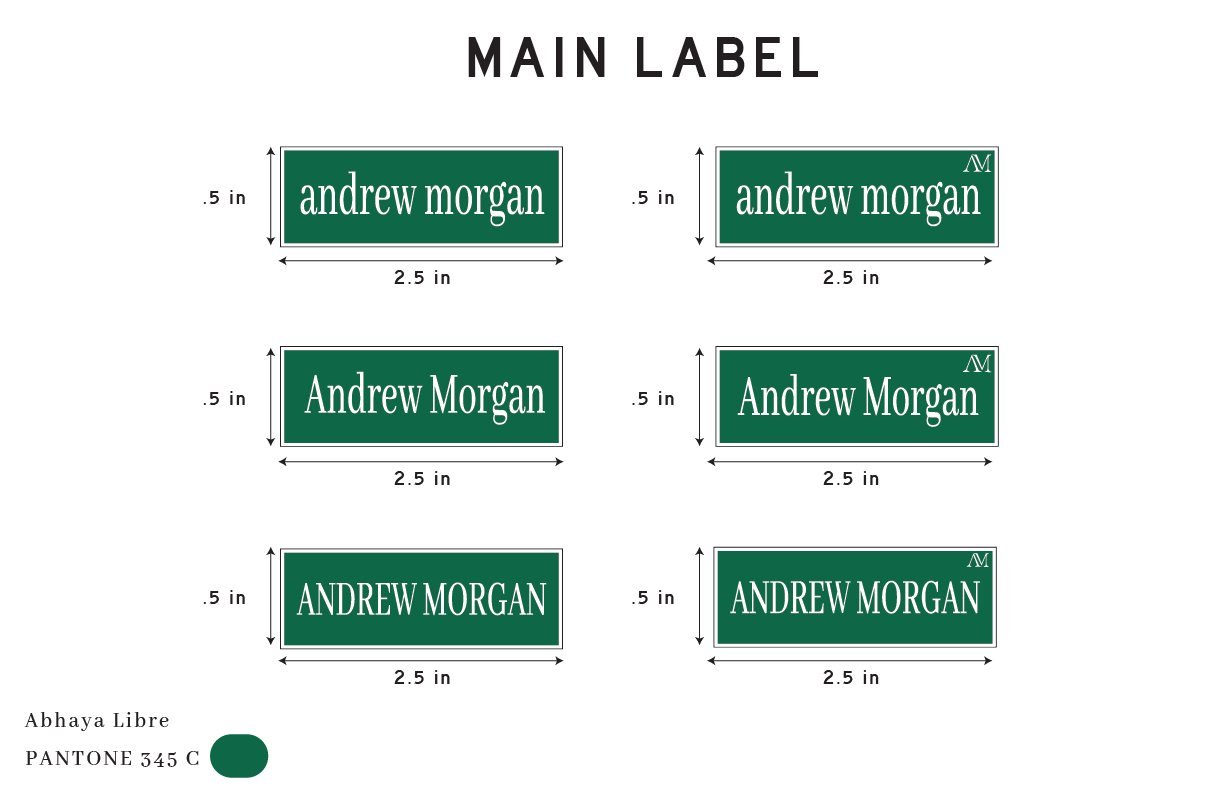
Woven labels stepped 2.5–5 in, locked to one Pantone.
Production
For four years I have worked alongside a commercial press, so this work does not get handed off and hoped for. I build press-ready files, resolve colour and bleed before they become a reprint, brief outside vendors on specification and schedule, and attend press checks to compare a sheet against the proof.
Practically: I can say what a display will cost and how long it will take before anyone commits to it — and what arrives at the venue matches what was approved.
Next project
Contact
Based in San Jose, working across brand, print and digital.